Why Project Tracking Software Plays a Central Role in Operational Excellence

Last updated on : February 11, 2026
Most projects don’t fail because people aren’t working hard — they fail because no one has a clear picture of what’s actually happening. One team thinks things are on track, another is chasing updates, and leadership only hears about issues when it’s already too late. Spreadsheets grow messy, status calls feel repetitive, and progress becomes guesswork. If this sounds familiar to you, this blog will walk you through why project tracking software is critical for structured task management, how it complements free and online project tools, comparing project tracking software with open-source and standalone trackers, how it improves time visibility and operational reporting, and why LTS Data Point is the enterprise-grade project tracking software for operational excellence and how to effectively implement it.
See how LTS Data Point brings structure and visibility to project execution
Why project tracking software is critical for structured task management
In many organisations, project execution suffers not from lack of effort but from disorganised tasks, scattered spreadsheets, and uncoordinated emails. This fragmentation usually results in missed deadlines, duplicated work, and unclear ownership, making consistent operational discipline difficult to achieve.
Project tracking software addresses these challenges by offering a structured framework that centralises task visibility and ensures accountability across teams. The benefits of adopting such a system include:
- Enhanced task visibility: Every task, milestone, and dependency is clearly recorded, lowering the risk of overlooked work.
- Improved accountability: Assignments are transparent, and team members can monitor their responsibilities in real time.
- Streamlined task tracking: Managers can track progress without manually consolidating updates from multiple tools.
- Operational discipline at scale: Standardised processes for task updates, reviews, and follow-ups assist teams maintain consistent execution.
- Integration with collaborative workflows: When paired with communication and collaboration tools, task tracking software makes sure teams remain aligned and productive.
By adopting project tracking software, organisations can transform chaotic task management into a disciplined, predictable process, enabling teams to focus on outcomes rather than administrative follow-ups.
How project tracking software complements free and online project tools
Several teams begin their project journey with free project management software or free project management tools to organise tasks and timelines. These solutions are often sufficient in early stages, particularly for small teams managing a limited number of projects. Similarly, online project management tools provide accessibility and basic coordination, making them appealing for geographically distributed teams.
However, as teams scale and project complexity increases, these tools reveal structural limitations. They are typically designed for simplicity rather than operational rigour, which can lead to gaps in visibility, accountability, and performance oversight.
Project tracking software complements and extends these basic tools by addressing critical operational needs:
- Centralised dashboards: Leadership gains a consolidated view of project status, risks, and progress without manual reporting.
- Dependency and milestone visibility: Interdependencies between tasks and teams are clearly charted, minimising delays caused by hidden bottlenecks.
- Live updates: Progress is mirrored instantly, allowing timely interventions rather than reactive corrections.
- Consistent execution oversight: Standardised monitoring verifies projects are reviewed and managed using the same operational lens across the industry.
Rather than replacing basic tools outright, project tracking software reinforces the operational layer that free and lightweight solutions lack – allowing teams to scale with control, consistency, and confidence.
Discuss how LTS Data Point can strengthen accountability across your projects
Comparing project tracking software with open-source and standalone trackers

Companies seeking flexibility or lower upfront costs often explore open-source project management solutions or depend on a basic project tracker to observe progress. While these options may provide customisation or simplicity, they frequently introduce operational risks as project complexity increases. A standalone project tracking app or loosely linked project tracking system may capture updates, but often lacks the structure needed for consistent, organisation-wide execution.
The limitations of these approaches become evident over time, particularly when projects span multiple teams or demand leadership oversight.
Common challenges with lightweight solutions include:
- Inconsistent updates: Without standardised workflows, teams update tasks irregularly, lowering the reliability of progress data.
- Fragmented visibility: Disconnected project tracking tools make it difficult to gain unified view across projects and departments.
- Limited reporting capability: Most short-term solutions lack the depth and flexibility of a robust project management tracking tool, forcing managers to manually compile projects.
- Maintenance overhead: Open-source platforms often require ongoing configuration, support, and governance, diverting attention from execution.
In contrast, project tracking software offers a structured, scalable approach to monitoring work – ensuring data consistency, dependable reporting, and informed decision-making across the industry.
How project tracking software improves time visibility and operational reporting
As projects scale, time becomes one of the most critical – and most mismanaged – resources. Without reliable visibility into how time is assigned and consumed, leaders are often forced to depend on assumptions rather than evidence. This lack of clarity undermines planning accuracy, delivery confidence, and operational discipline.
Project tracking software addresses this challenge by allowing consistent project time tracking and structured reporting across teams. Instead of manually combining updates, companies gain access to dependable data that assists fact-based decision-making.
Key operational benefits include:
- Accurate time visibility: Clear insights into task duration and project timelines aid teams spot delays early and adjust plans proactively.
- Data-driven reviews: Organised dashboards and summaries lower dependence on anecdotal updates during operational and leadership reviews.
- Improved execution efficiency: When time data is visible and reliable, teams can optimise workloads, minimise idle time, and improve throughput.
- Stronger accountability: Transparent monitoring strengthens ownership and encourages disciplined execution across projects.
- Consistent reporting standards: With integrated project reporting software, industries can maintain uniform reporting practices without manual intervention.
By binding time visibility with structured reporting, project tracking software permits leaders to move from reactive oversight to proactive operational control.
Understand how LTS Data Point aligns project execution with performance outcomes
Why LTS Data Point is the enterprise-grade project tracking software for operational excellence
As industries grow, the limitations of incomplete tools, manual reporting, and inconsistent observing become increasingly evident. Accomplishing operational excellence needs more than basic visibility – it demands a structured, reliable system that links execution with performance outcomes. LTS Data Point is designed to address these gaps by offering enterprise-grade project tracking software built for scale, consistency, and informed decision-making.
Here’s how LTS Data Point elevates project tracking in practice:
- Comprehensive project evaluation: Its project tracker module enables easy and effective monitoring of multiple initiatives, helping leaders see whether execution is on schedule and aligned with strategic goals.
- Strategic planning and scheduling: Teams can define project durations, resource allocations, and task sequencing — including visual scheduling like Gantt-style planning — to ensure work is structured and measurable.
- Timesheets and actuals tracking: Users can log actual hours against planned time, so organisations understand efficiency gaps and optimise workforce utilisation.
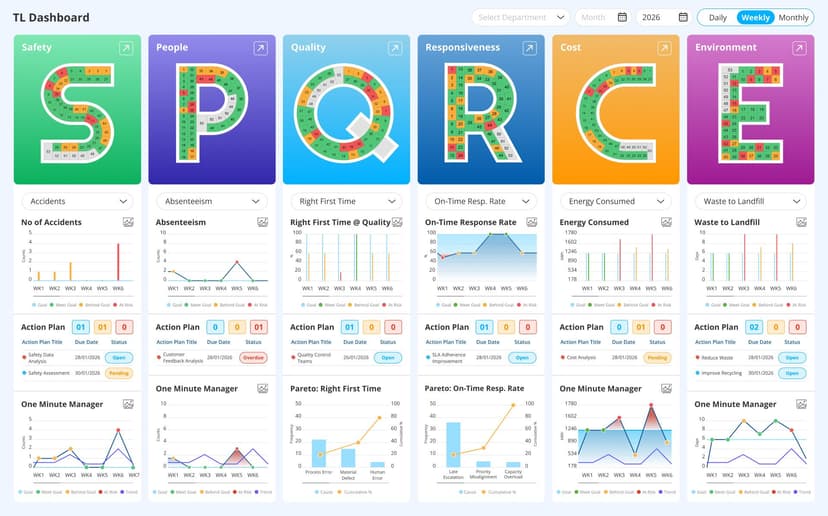
- Interactive project dashboards: Leaders gain consolidated visibility of progress, bottlenecks, and performance trends through dynamic dashboard matrices and comprehensive reporting.
- Integrated oversight with KPIs and analytics: Project tracking relates to broader performance metrics, enabling teams to evaluate project outcomes in context with organisational priorities and operational goals.
Steps to implement LTS Data Point project tracking software effectively

Implementing LTS Data Point project tracking software is most effective when approached as an operational change – not just a tool rollout. A structured implementation makes sure teams adopt consistent tracking practices and leadership gains reliable visibility from the outset.
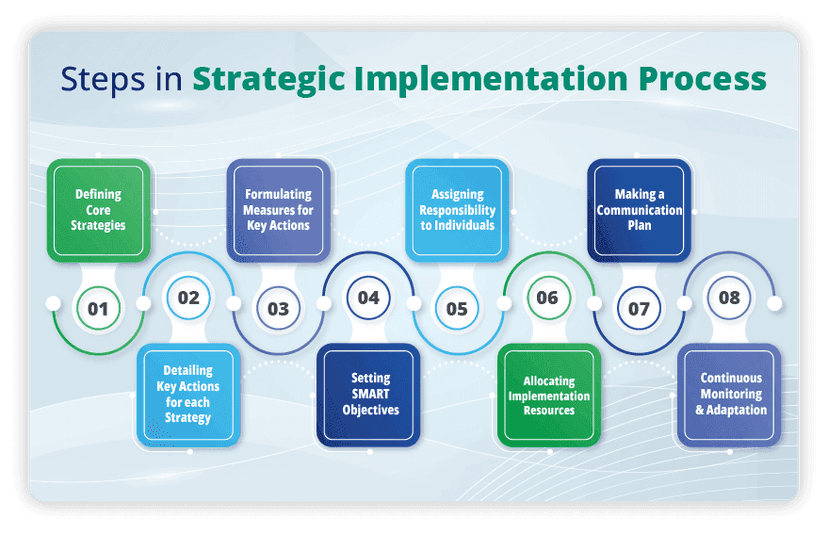
Key steps to a successful implementation include:
Define operational objectives and success criteria
Start by clarifying what operational excellence means for your organisation – such as improved delivery predictability, better visibility, or stronger accountability. This ensures tracking is aligned with business outcomes, not just activity.
Identify projects, teams, and ownership structures
Map active projects, responsible teams, and decision owners. Clear ownership is essential for accurate tracking and disciplined execution.
Configure dashboards and tracking views
Set up dashboards that mirror how leadership reviews progress – concentrating on milestones, risks, dependencies, and performance indicators rather than raw task lists.
Align KPIs with project execution
Bind project tracking to quantifiable KPIs so progress reviews are data-driven and consistent across teams.
Standardise monitoring and review cadences
Establish clear guidelines on how often updates are made and how reviews are conducted, strengthening operational discipline.
Train teams on consistent usage
Verify teams understand not just how to use the platform, but why consistent updates matter for visibility and decision-making.
Review, refine, and scale
Use early insights to refine dashboards, tracking structures, and review practices before scaling across more projects or teams.
By embedding LTS Data Point project tracking software into daily operations through a structured implementation, industries move beyond ad-hoc reporting to attain sustained visibility, accountability, and execution discipline. Operational excellence depends on more than planning alone – it needs consistent execution, clear insight into progress, and reliable monitoring across every project. As companies scale, incomplete tools and manual updates limit decision-making and dilute accountability. With structured project tracking software, teams gain the clarity and control required to manage complexity, align work with performance goals, and sustain operational excellence over time.
Implement your enterprise-grade project tracking software with LTS Data Point now
FAQs
1. How does project tracking software support cross-functional collaboration?
By providing a shared view of priorities, timelines, and responsibilities, it helps teams from different departments remain aligned without constant coordination meetings.
2. Can project tracking software adapt to different project methodologies?
Yes, most enterprise-grade solutions are flexible enough to support various execution approaches without forcing teams into rigid structure.
3. How quickly can organisations see results after implementing project tracking software?
Many teams begin to notice improvements in visibility and accountability within the first few project cycles, especially during reviews and planning sessions.
4. Is project tracking software suitable for both short-term and long-term projects?
It can support a wide range of project durations by maintaining consistent tracking, regardless of project size or timeline.
5. How does project tracking software improve leadership reviews and governance?
It replaces subjective updates with structured data, enabling more effective reviews focused on progress, risks, and outcomes.
6. What should organisations prepare before adopting project tracking software?
Clear ownership, defined review cadence, and alignment on what success looks like help ensure smoother adoption and better long-term value.
7. How does project tracking software help reduce dependency risks?
By making dependencies visible early, teams can address potential delays before they affect overall delivery.

Amer Jumah, Senior Lean Consultant
Amer is co-founder of Agile Solutions and a certified Six Sigma Black Belt, Lean Black Belt, and PMP, with over nine years of experience implementing Lean, Six Sigma, and Agile principles across diverse industries. He specialises in process optimisation, waste elimination, and delivering cost savings through organisational change.