AI Resource Allocation: What Actually Changes When Machines, People, and Materials Meet the Algorithm

Last updated on : July 13, 2026
The trend goes like this:
- Everyone buys resource allocation software to fix the issue.
- The plant still runs light — capacity utilisation sits at 75.7%, 2.5 points below the long-run average.
- The dashboard says the schedule is under control.
- The interest on the software evaporates as soon as it appeared.
AI resource allocation is supposed to solve this. Most plants find it solves the wrong layer.
The problem is not of the software. The problem belongs to the plan on which it runs.
See how LTS Data Point validates capacity, tracks resource utilisation live, and keeps the override in your hands
Where resource allocation actually breaks down today
Most resource allocation plans don’t fail at execution. They fail at the input stage – the exact gap AI in production planning was built to close but rarely does.
That's the actual breakdown point. The data feeding the plan.
Legacy systems record what finance needs, not what the floor is doing in real time. A micro-stop nobody logs, a material delay nobody flags never appear as data. Most resource scheduling software runs on the same assumption: the plan is correct until someone proves otherwise.
The result isn’t a failed plan. It's a plan that AI resource planning was never given clean enough inputs to fix.
What AI actually changes in the allocation decision
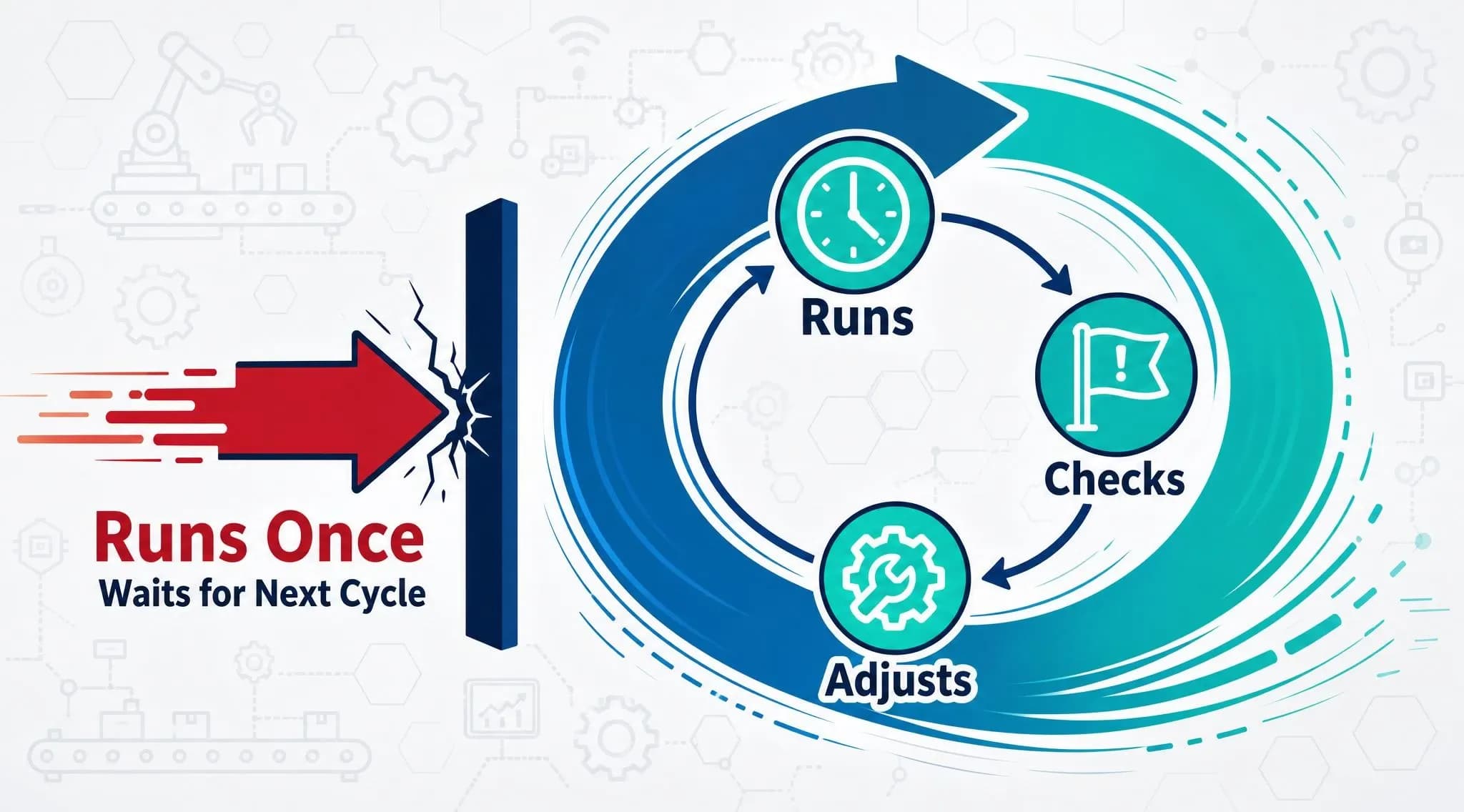
The difference isn’t a smarter plan. It is a plan that never stops checking itself.
- AI running continuously inside ERP, MES, and PLM systems, not syncing once per shift, is where the 40% downtime reduction figure comes from.
- Workload patterns get summarised, unusual changes flagged, and capacity gaps identified before a supervisor would catch them walking the floor.
- The decision doesn’t change hands. The frequency of the decision does, and that’s the shift at the centre of AI decision making in manufacturing.
A rule-based schedule, the kind most AI production scheduling software still defaults to, runs once, then waits for the next planning cycle to catch what it missed. An AI-assisted one runs, checks, and adjusts, not at the end of the shift, but mid-decision, mid-hour, mid-event. That's what AI capacity planning actually does. Not generate a better static schedule but reduce the gap between assumption and reality continuously.
That matters most at the resource level specifically. A machine going underutilised, an operator misaligned to a line, a material arriving twenty minutes late – none of these are catastrophic on their own. But they compound quietly across a shift, and by the time a manual review surfaces them, the cost is already sitting in the utilisation figure. AI doesn’t just flag them faster. It flags them before they’ve had the chance to stack.
What changes isn’t who decides. It's how often the decision gets remade and how much has already gone wrong by the time it does.
Where manufacturers overestimates what AI will fix
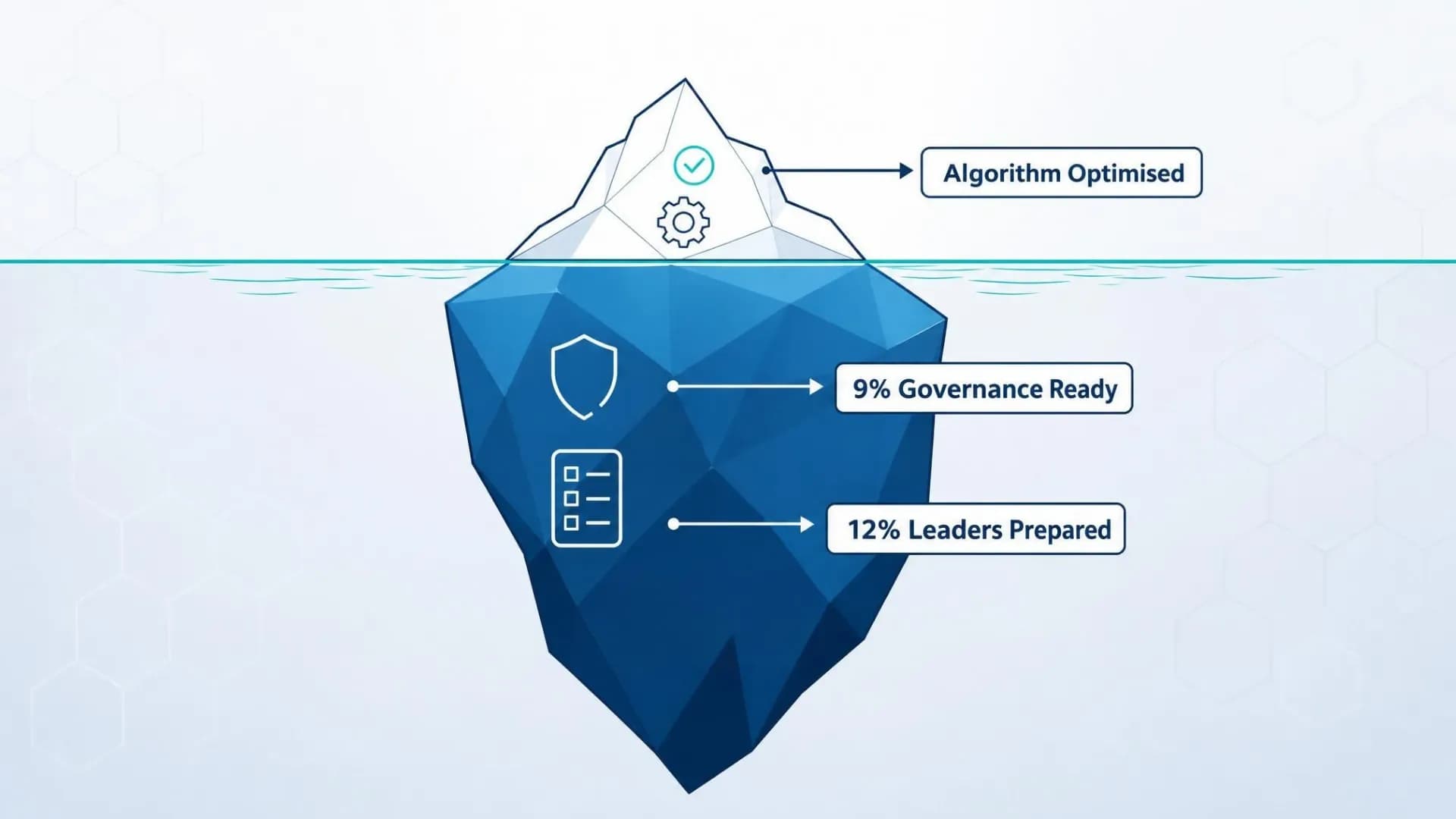
AI changes how often the decision gets made. It doesn’t change what the decision is made of.
- Only 9% of individual contributors and 12% of leaders in manufacturing have comprehensive AI governance in place such as policies, training, and the oversight structures that make override decisions reliable.
- A system that can’t account for union negotiations, reputational risk, or the 18-month cost of losing specialist talent will optimise correctly within its parameters and fail completely outside them.
- The override isn’t a safety net. It's part of the system and right now, most organisations haven’t built it. That's the gap AI resource management implementations consistently underestimate: the algorithm is ready long before the governance structure around it is.
In 2026, a manufacturing AI recommended a 15% workforce reduction. The data was accurate. The recommendation was logical. A senior HR leader rejected it, not because the AI was wrong, but because it couldn’t see the full picture. That’s not an edge case. That's the standard operating condition for any AI working in a physical environment where context lives outside the dataset.
The problem isn’t trusting AI too much. It's assuming the human side of the override is ready when the governance structures to support it exist in fewer than one in ten organisations – one of the most consistent AI adoption challenges manufacturers faces once the pilot ends.
What AI still needs isn’t a better algorithm. It's a human standing behind it who knows exactly when not to let it run, which is why AI transformation resource allocation fails more often at the governance layer than at the technology layer. That judgement is where AI continuous improvement actually begins.
How LTS Data Point handles resource allocation
Most allocation systems tell you what happened. LTS Data Point is built around what’s about to happen and what to do when the plan stops holding.
A live skills matrix sits at the centre of the planning logic which includes certification status, multi-machine handling capability, real-time attendance, and leave schedules feeding into every allocation decision before the shift starts, not after a gap surfaces. When a work order is scheduled, the system validates it against actual available capacity and OEE. If it can’t be completed within the required window, an alert fires and remaining work orders are re-arranged automatically, prioritised by shipping urgency and capacity availability. The override stays with the scheduler. Drag-and-drop flexibility remains in their hands throughout.
Resource utilisation runs as a live KPI on the production dashboard tracked continuously alongside OEE, schedule adherence, machine downtime, and cycle time. Not what resource utilisation software typically delivers at end of shift. Something visible now, while there’s still time to act on it.
That's the distinction. Not AI that replaces the decision but AI that gives the decision-maker the right information, at the right moment, with the ability to override when the context the system can’t see is the one that matters most.
The plan was never the problem. The inputs feeding it were. AI doesn’t fix that by making better decisions, it fixes it by checking the same decision more often, against data that’s actually current. The override stays human. That's not a limitation. That's the design.
Not sure where your allocation process is breaking down?
FAQs
1. What is the difference between AI resource allocation and traditional resource planning?
Traditional resource planning builds a schedule once, based on fixed inputs – shift patterns, booked capacity, planned orders – and runs it until the next planning cycle. AI resource allocation reads live conditions continuously, flagging gaps and adjusting priorities before a supervisor would catch them manually. The plan doesn’t change hands. The frequency at which it’s checked does. \
2. Can AI resource allocation work without integrating into existing ERP or MES systems?
Not effectively. AI resource allocation depends on live data inputs such as machine status, operator availability, material timing which live inside ERP and MES systems. Without integration, the AI is running
3. How does AI handle unexpected events like machine breakdowns or absent operators during a shift?
This is where continuous monitoring matters most. Rather than waiting for the end-of-shift review, an AI-assisted system flags the deviation immediately and re-sequences remaining work orders based on current capacity and shipping priority. The scheduler retains full override control and can adjust manually if the system’s re-sequencing doesn’t account for context it can’t see.
4. Does AI resource allocation replace the production scheduler?
No. The scheduler’s role shifts from building the plan to governing it. AI handles the continuous checking and re-sequencing; the scheduler handles the decisions that require context the system can’t access – union constraints, reputational considerations, skill dependencies that aren’t captured in a certification matrix. The override stays human because the accountability does.
5. What data does AI need to make reliable resource allocation decisions?
At minimum: real-time machine availability and OEE, operator certification and attendance data, material arrival schedules, and live work order status. The more current and connected these inputs are, the more reliable the allocation output. Legacy systems that sync once per shift rather than in real time are the most common source of allocation errors. The AI makes a logical decision on inputs that were already outdated when the decision was made.
6. How long does it take for AI resource allocation to show measurable results?
This depends heavily on data quality and integration depth at the point of implementation. Plants with clean, connected data feeding into the system typically see scheduling accuracy and utilisation improvements within the first few weeks of operation. Plants with fragmented or manually reconciled data often spend the first phase cleaning inputs before the allocation outputs become reliable which is why governance and data readiness matter as much as the algorithm itself.
7. What are the most common reasons AI resource allocation implementation fail?
Three consistent failure points: poor data quality feeding the plan, absence of human governance structures around the override function, and treating AI allocation as a standalone tool rather than a layer inside a connected daily management system. The algorithm is rarely the problem. The infrastructure almost always is.

Amer Jumah, Senior Lean Consultant
Amer is co-founder of Agile Solutions and a certified Six Sigma Black Belt, Lean Black Belt, and PMP, with over nine years of experience implementing Lean, Six Sigma, and Agile principles across diverse industries. He specialises in process optimisation, waste elimination, and delivering cost savings through organisational change.